The Belgian Grand Prix is here, and one of the championship’s most loved races. Packed with heaps of history, an awesome and adrenaline-fuelled layout and unpredictable weather conditions, it’s easy to see why this is a favourite race weekend for both fans and the drivers.
Five Things You Didn't Know About the Belgian GP 2026
14 July 2026
5 Min Read
Katy Fairman|External contributor
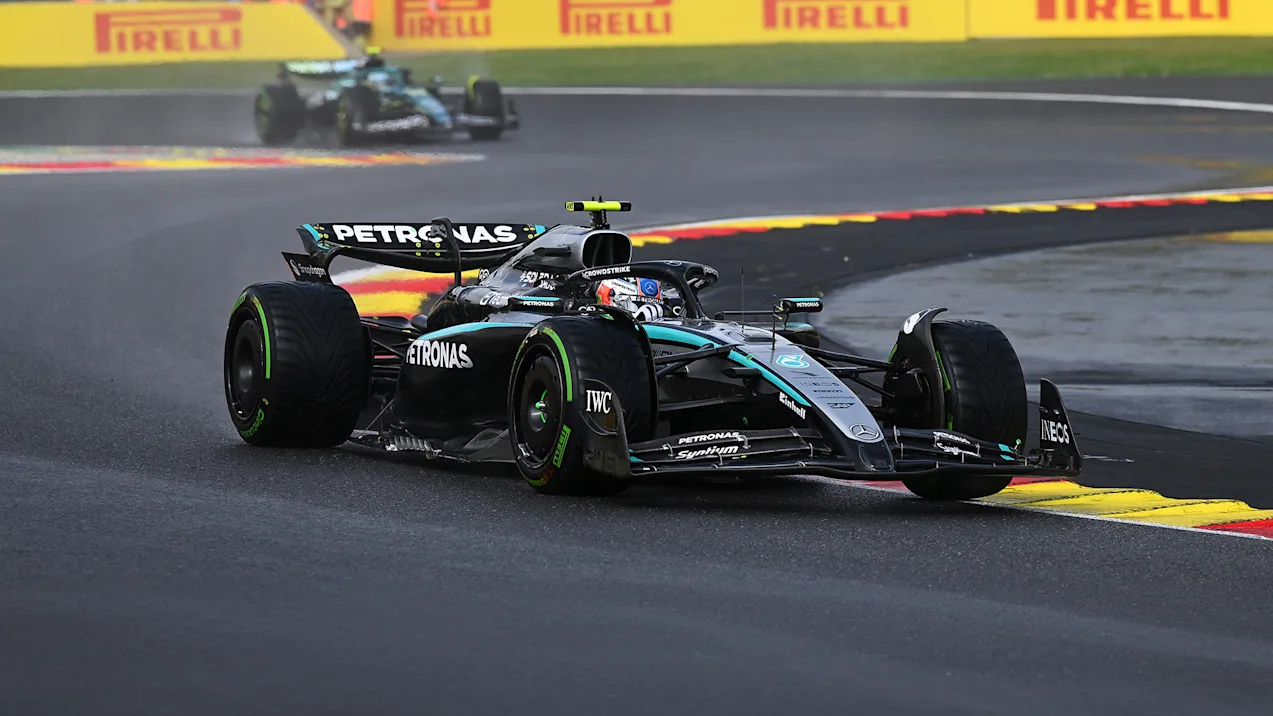
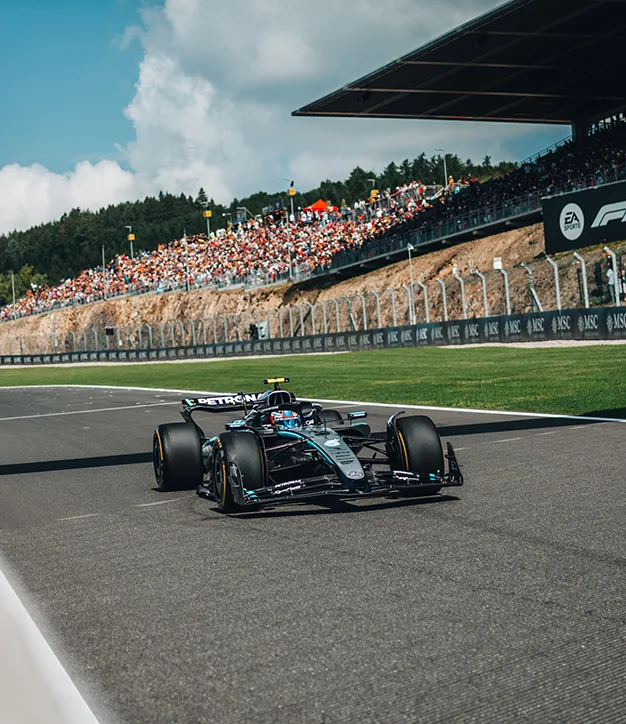
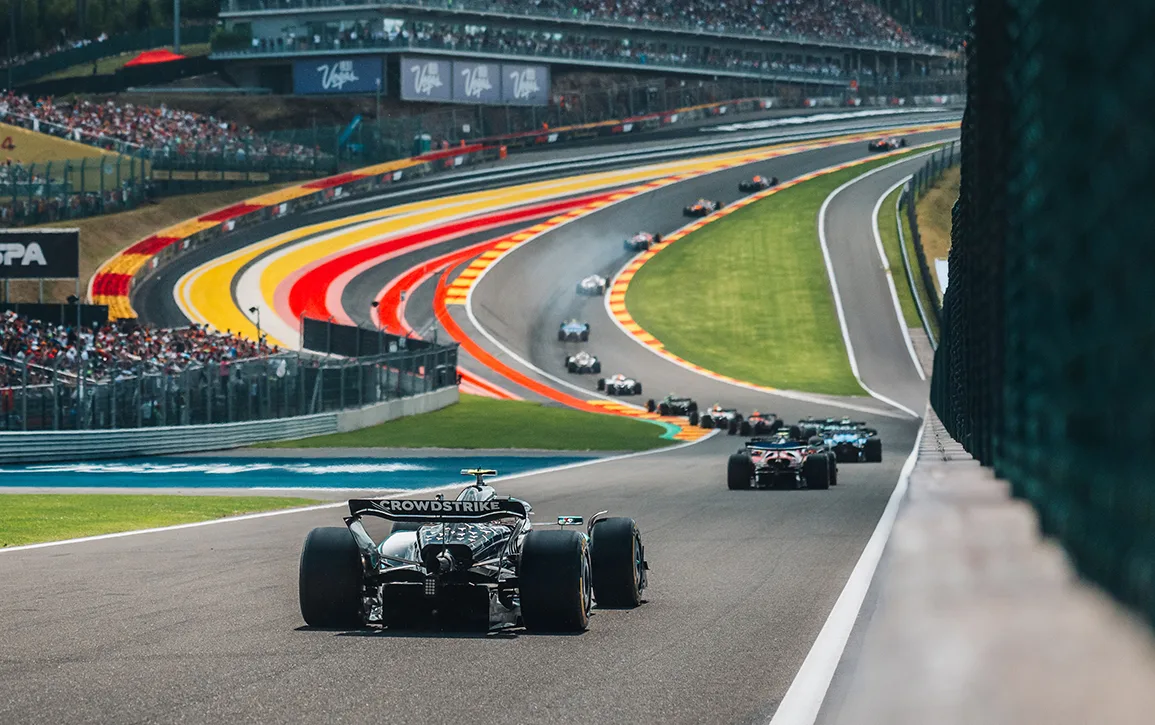
Longest Track on the Calendar
The Circuit de Spa-Francorchamps is nestled in the Liège Province, and measures 7.004km in length. This makes it the longest track we race on across a Formula 1 season, but the circuit used to be double the length!
Originally, it used to be in an almost triangle shape and was built in 1921 using nearby roads. The very first race at this new circuit was cancelled, as only one participant came forward, but soon more and more categories of car would experience this demanding, and dangerous, layout before Formula 1 made its debut in 1950.
As per the Formula 1 regulations, a race must exceed a distance of 305km to the nearest lap, except for Monaco which is 260km, meaning the Belgian Grand Prix is only 44 laps total.
What was the longest-ever circuit in F1, I hear you ask? That would be the Pescara Circuit in Italy which was a whopping 25.579 km over a single lap!
Here Since the Start
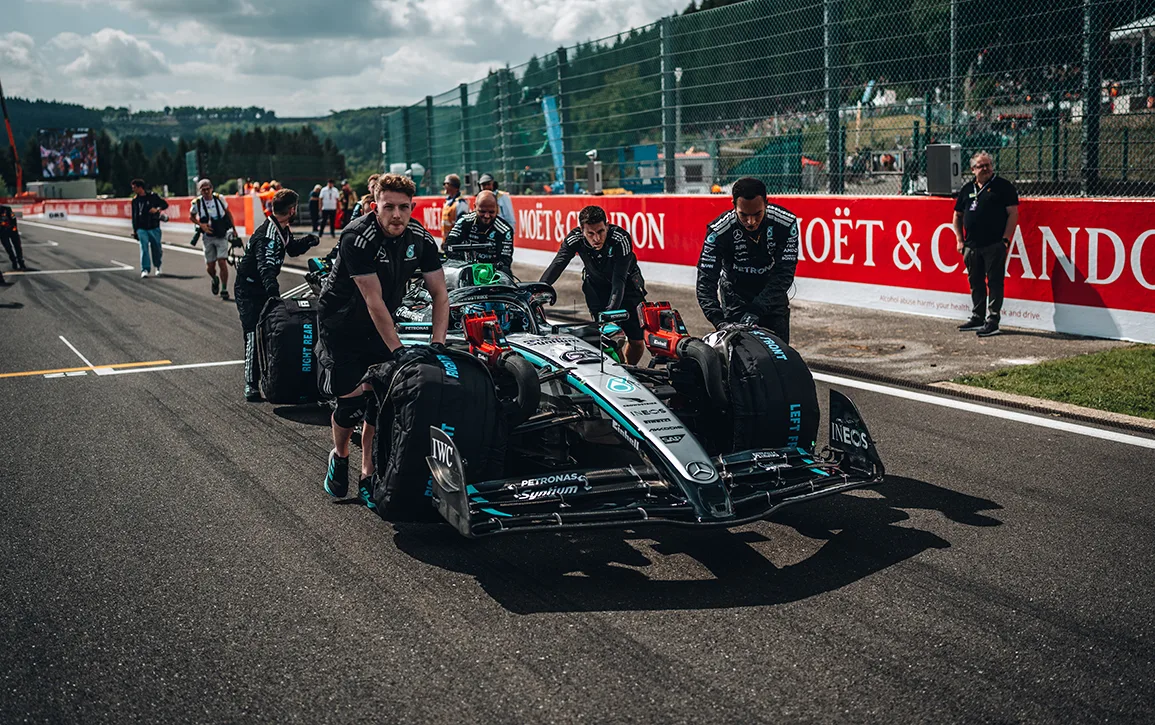
Off the back of the British Grand Prix, which hosted the very first Formula 1 race back on 13 May 1950, the Circuit de Spa-Francorchamps joins an exclusive list of circuits that were on that inaugural calendar. With only seven races, locations like Silverstone, Monza, Monaco all made the cut, as well as the Indianapolis Motor Speedway and of course our beloved Spa-Francorchamps.
There have been 58 Grand Prix held at this circuit, with a break in the running ranging from safety concerns, lack of fuel available and a row about tobacco sponsorship.
Shortest Race in F1’s History
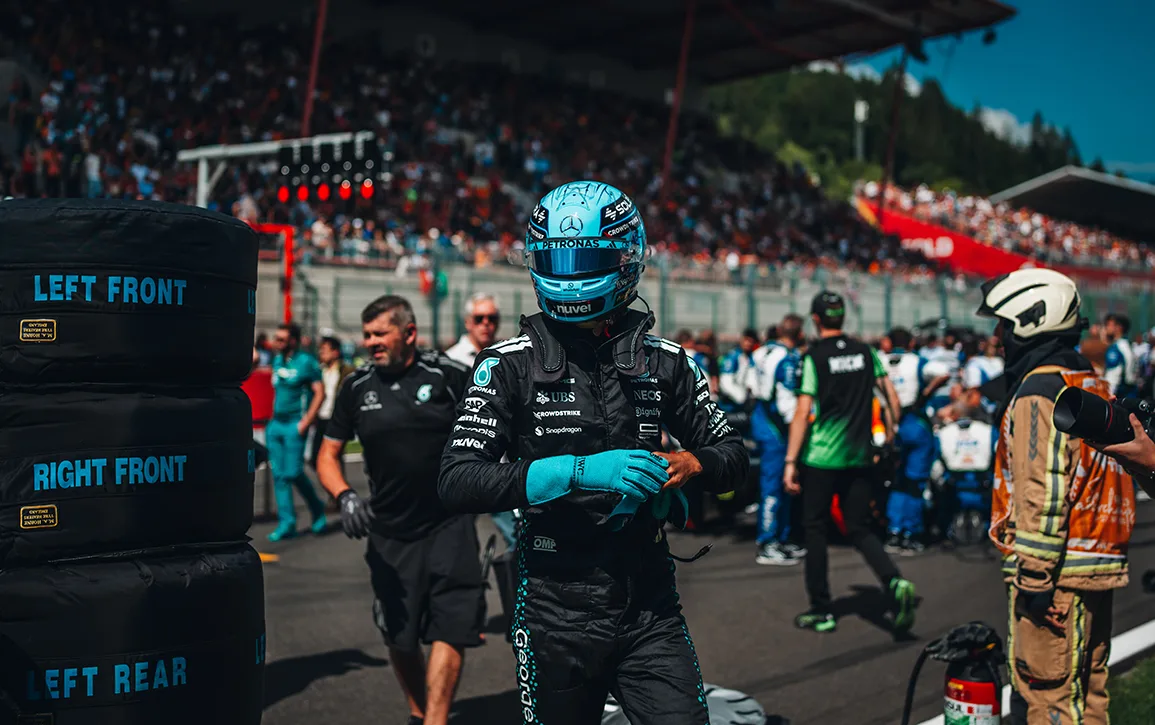
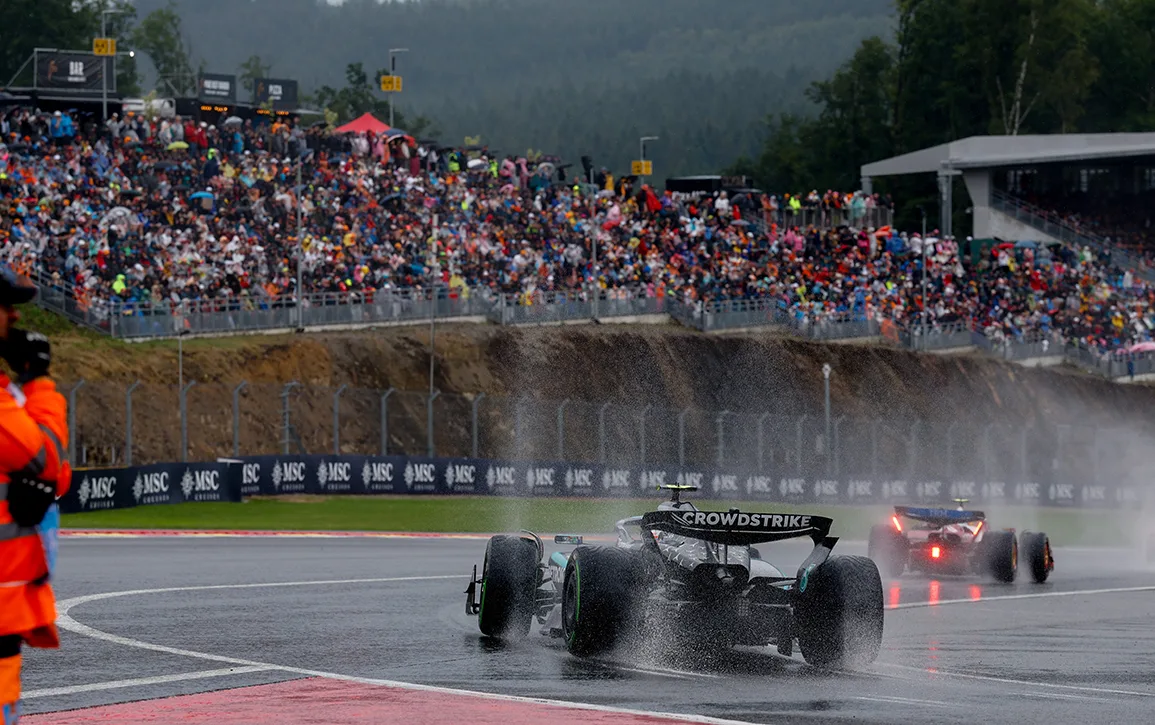
This circuit holds a lot of records, including hosting the shortest-ever Formula 1 victory at just 3 minutes and 27 seconds during the torrential downpour of 2021, which was won by Max Verstappen. That weekend, George was racing at Williams and delivered another one of his ‘Mr Saturday’ performances to qualify in second place. However, the heavy rain meant that the race lasted for a single lap before being defined as ‘done’ and half points awarded, handing George his maiden Formula 1 podium.
Spa-Francorchamps also has the second-largest winning margin in F1’s history, with Jim Clark winning the 1963 event – hosted on the 14.100 km layout – by 4 minutes and 54 seconds to Bruce McLaren. The biggest overall margin belongs to Stirling Moss, who won the 1958 Portuguese Grand Prix by 5 minutes and 12 seconds.
Chip on the Shoulder?
If you’re one of the fans soaked from the ever-changing weather at the Belgian Grand Prix, there’s one solution that promises to help: fries. But it’s not just a warning snack for the locals, it is a part of their culture. According to a 2025 report by The Brussels Times, ‘the average Belgian family consumes 16kg of fries a year’.
Fries must be accompanied by the famous mayonnaise, and there’s still an ongoing fight to get the Fritkot kiosks that sell the goods listed as Intangible Cultural Heritage by UNESCO World Heritage. Between France and Belgium, there’s a big dispute on who created the delicious potato dish first, but the Belgians are adamant it was them.
There’s even a ‘Frietmuseum’ in Bruges, which is the only museum of Fries in the world.
How F1’s Most Iconic Corners Got Their Names
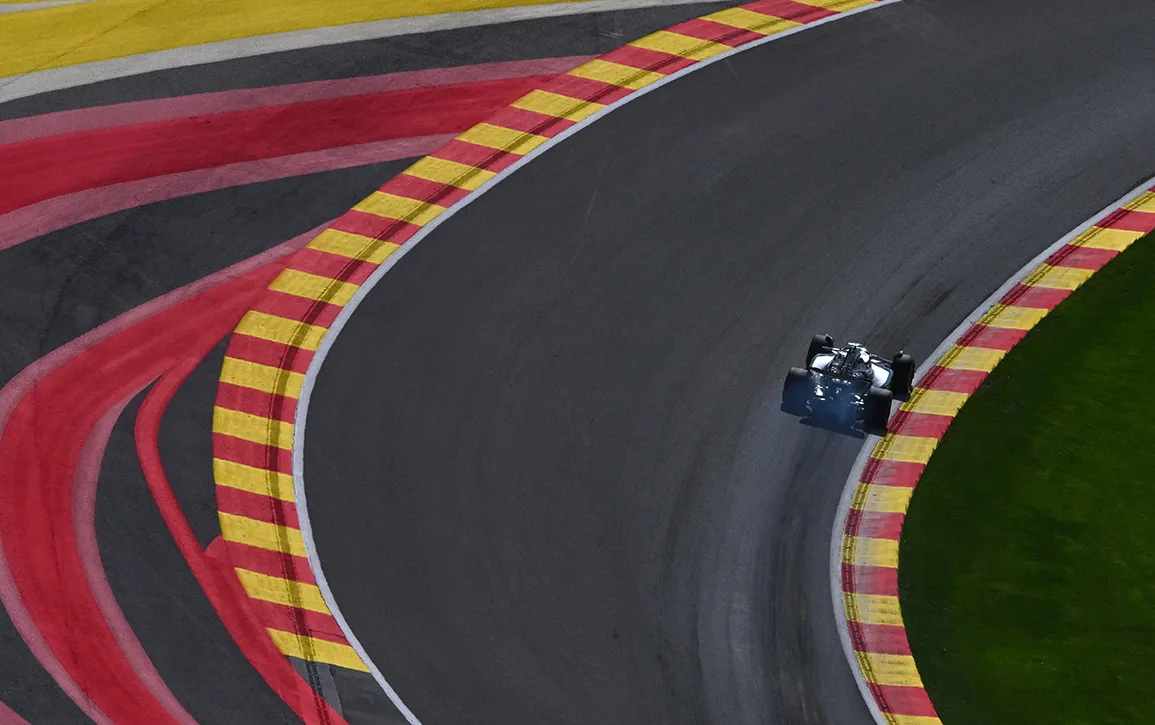
If you shut your eyes and think of an F1 car giving it full send through a series of corners, I think most of us will picture the sweeping uphill sequence of Raidillon and l'Eau Rouge. The red and yellow stripes that border this incredible run of race track are synonymous with the Spa-Francorchamps circuit, but do you know how they got their names?
Well, first is Raidillon which in French means 'steep path'. Then Eau Rouge takes its name from the translation of 'red water' which makes reference to the iron-rich 15km stream that passes underneath that part of the circuit that is red-ish in colour. The gradient shift of these corners is around 18%, with the elevation point from the highest to the lowest part of the track being 102m, which is just shy of the length of a football pitch.
Pouhon also takes its name from the translation of ‘the place where water is drawn from’, and this theme of water is also why the nearby area of Spa gets its name. Finally is Bus Stop, which is literally because a bus stop used to be housed here when it was a public road during non-race weekends.
SHOP NOW
Shop: Blue Wonder Collection
Inspired by the 1955 high-speed car transporter, the collection celebrates a landmark piece of team history before the British Grand Prix at Silverstone.