Skip to content

Five Things You Didn't Know About the Mexico City GP 2026

28 October 2026
10 Min Read
KATY FAIRMAN|EXTERNAL CONTRIBUTOR
top-M467007
mobile-M467002

Formula 1 returns to Mexico City this weekend for an exciting three days of passion and performance, in the capital of Mexico. The circuit has hosted 25 Grands Prix over the years and made a comeback in 2015, much to the delight of the local fans.

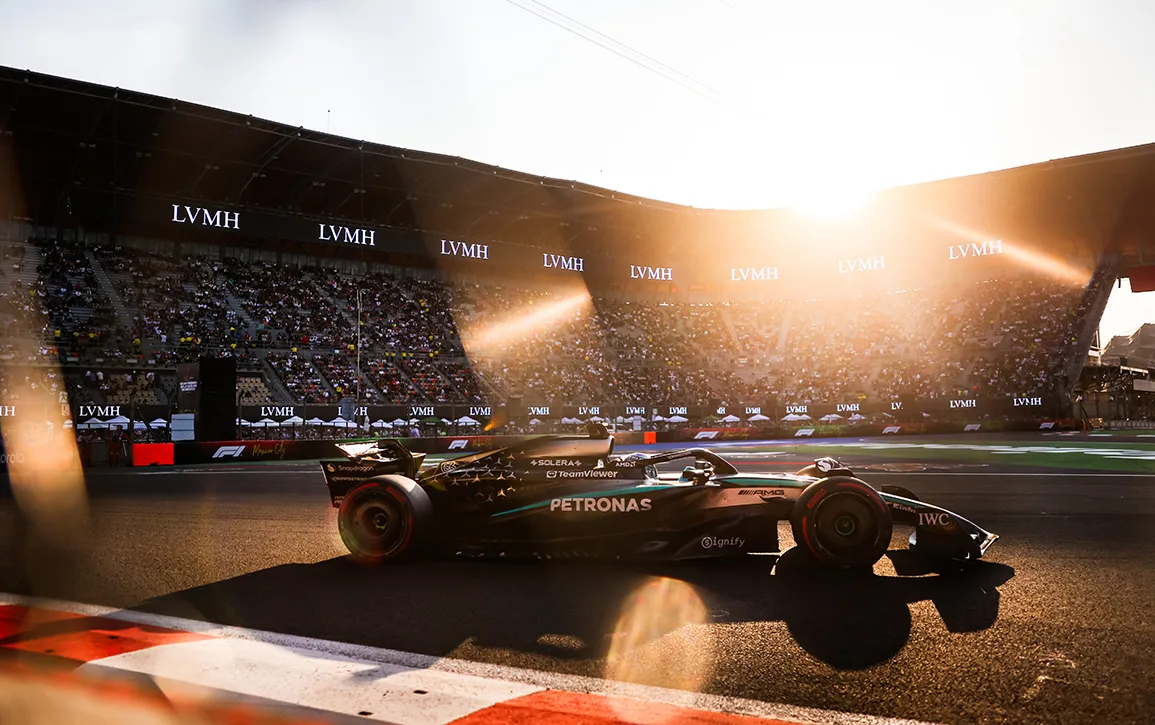
The circuit itself is an epic mix of high speeds, but also slower corners like we see through the iconic Stadium section. As a team we've won here three times in the past – including with Nico Rosberg on the track’s return to the calendar. Here are all the fun facts you need to know before a special weekend.

01

The Highest Race on the Schedule

One word that you'll hear a lot this weekend is altitude, and there's a valid reason for that. The Autódromo Hermanos Rodríguez sits at more than 2,200 meters above sea level – being this high means that the air is thinner and impacts both the team and the cars.

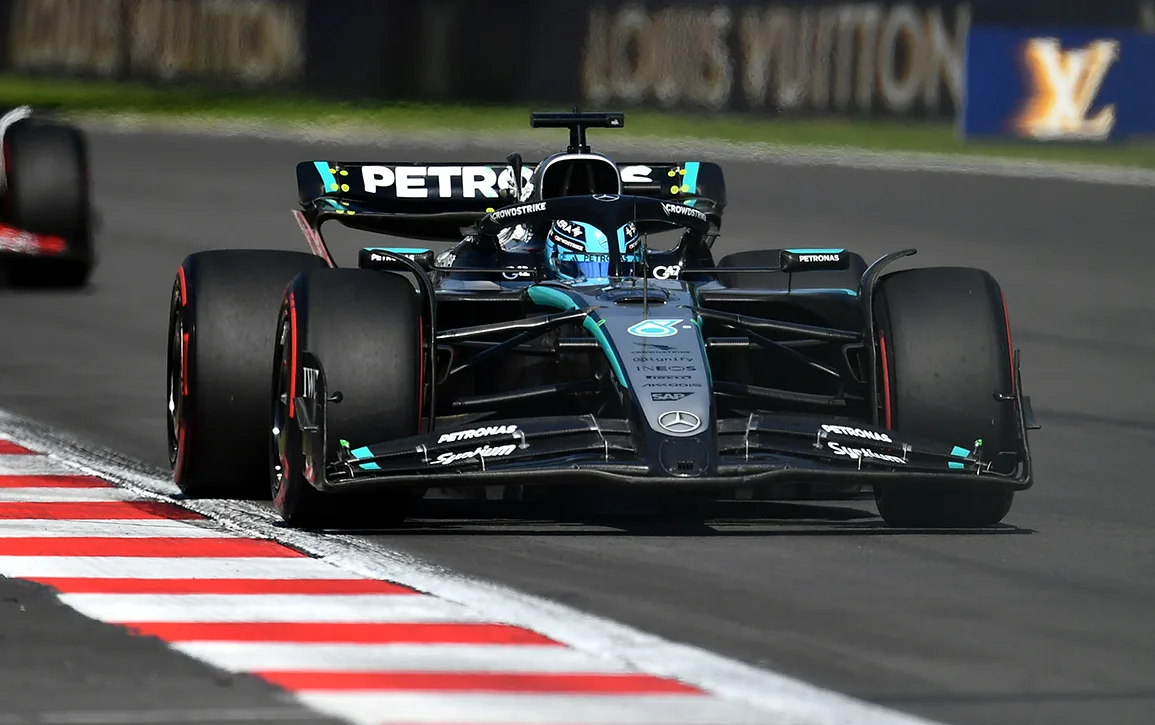
With thinner air, the elements of the W17 – like the turbo – are impacted and often teams run skinnier rear wings to help with the drag down the main straight. You might expect a similar set-up to Monza but because the air is not as dense, a Monaco-style aero package is better suited.

Because of the lack of air molecules, the drag on these cars is minimal and top speeds are often achieved down the straight – more on that later.

02

Named After Two Brothers

The Autódromo Hermanos Rodríguez is named after two Mexican brothers who competed in Formula One during the 1960s. Pedro, and his younger brother Ricardo, were born in Mexico City in 1940 and 1942 respectively, and were talented racers from an early age – with Ricardo winning a sportscar event at Riverside aged just 15!

Ricardo was given the chance for a one-off F1 race with Ferrari at the 1961 Italian Grand Prix and became the youngest person to start a championship race aged 19 – he even qualified in second place!

His brother Pedro would make it to Formula 1 in 1963, taking part in 54 Grands Prix during his career, but tragically both brothers died while racing cars. Their legacy lives on through Mexican motorsport, with this circuit in their hometown being named after them and a statue of the busts proudly looking out over the start-finish straight.

There have been several brother duos in F1 history, including Michael Schumacher and his brother Ralf, as well as Jackie and Jimmy Stewart, Gilles and Jacques (Sr) Villeneuve and technically the Leclerc brothers, with Arthur taking part in numerous FP1 sessions for Ferrari.
03

Best Seats in the House

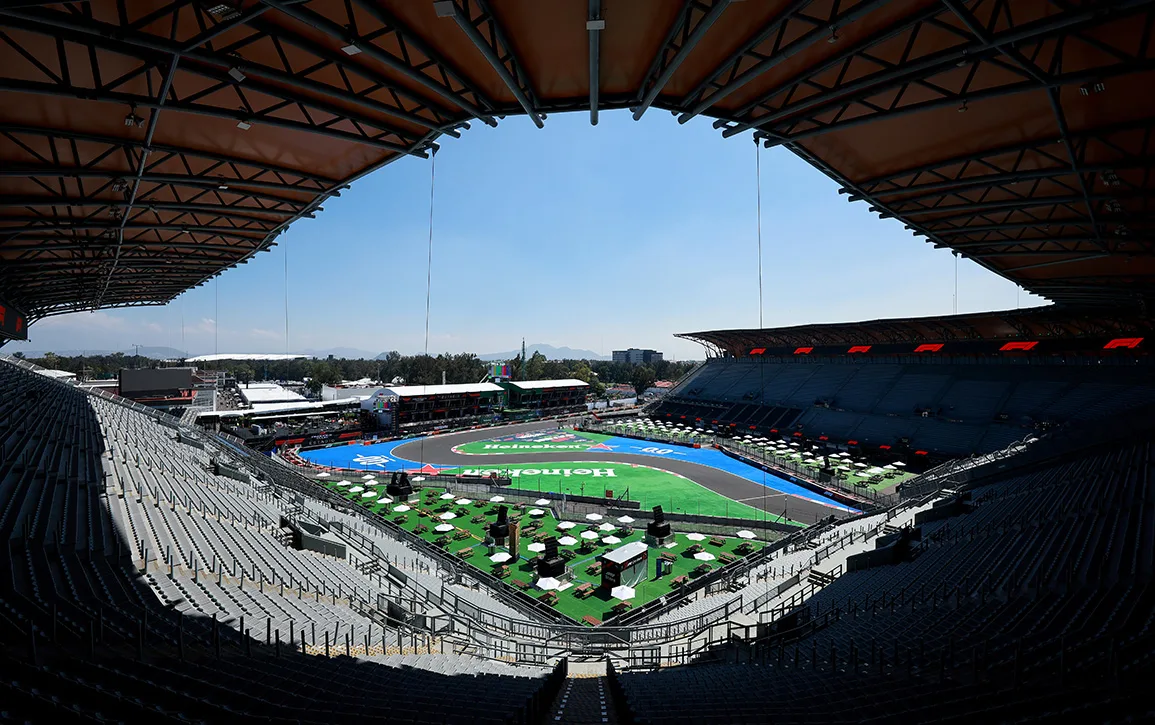
As well as being a permanent circuit, and used for other motorsport series like NASCAR and Formula E, this track is home to one of the best viewing locations for fans. The stadium section, which was previously known as the Foro Sol, was originally constructed to host music events with a capacity for 50,000 people. It has also been used for other sports, including baseball games which ran from 2000 until 2014, before F1 came to town.

Last year George made a visit to this incredible seating selection and blended in with the local fans with a traditional Lucha libre wrestling mask. The stadium boasts a newly refurbished 13,000m² roof, which collects rain-water all year round and is used for watering plants or toilet water in a sustainability effort, and is surprisingly easy to navigate once inside. I've been lucky enough to watch a race start from inside the stadium and the energy is unlike anything you'll find on the calendar.

The stadium is the second-largest concert venue in Mexico City, with the Estadio Azteca the largest and hosted several World Cup games earlier this year. It has hosted two World Cup finals and is known as the "Temple of Football", having witnessed several defining moments.

04

Longest Run To Turn 1

It might look like a regular right-hand turn, but Turn 1 for the Mexico City Grand Prix is one of the most challenging to get right on the calendar. The run from pole to T1 is 830 metres and drivers reach it at speeds of 210mph, but must slow down to about 70mph in just over three seconds. That can be heavy on the brakes and a lot of gravity on their bodies.

The long straight and low-drag being at such high altitude means that cars can reach the fastest speeds they do all year, and Mercedes power helped Valtteri Bottas reach an astonishing 231.46mph (372.5km/h) in the speed trap during the 2016 race here, with the Flying Finn also holding the fastest lap at the Autódromo Hermanos Rodríguez with a time of 1:17.774 which he achieved with his Silver Arrow in the 2021 season.

05

What Mexico has given the world

Mexico City is known as a hub of delicious food, generous people and incredible art and Aztec history. Originally known as Tenochtitlan, the city was founded on a small island in 1325 that was surrounded by a lake. When the city fell two centuries later, most of it was destroyed and rebuilt upon, but because so much of the city was built over an ancient lakebed the city is physically sinking as a result and as much as 25cm a year in places!

Earthquake-Resistant Foundations, also known as Control Pilings, were invented by engineer Manuel González Flores, with Guillermo González Camarena patenting early field-sequential colour television. The number zero was also created by the Maya civilisation.

As well as familiar food favourites, several other day-to-day essentials come from Mexico. Chilli Peppers were first cultivated in Mexico, the country is also the world's leading producer of avocados, and Mexico is the historical birthplace of cacao culture – the raw and unprocessed bean that is used to make chocolate. You’ve also got Mexico to thank for popcorn, chewing gum and the Caesar salad.

Show Now

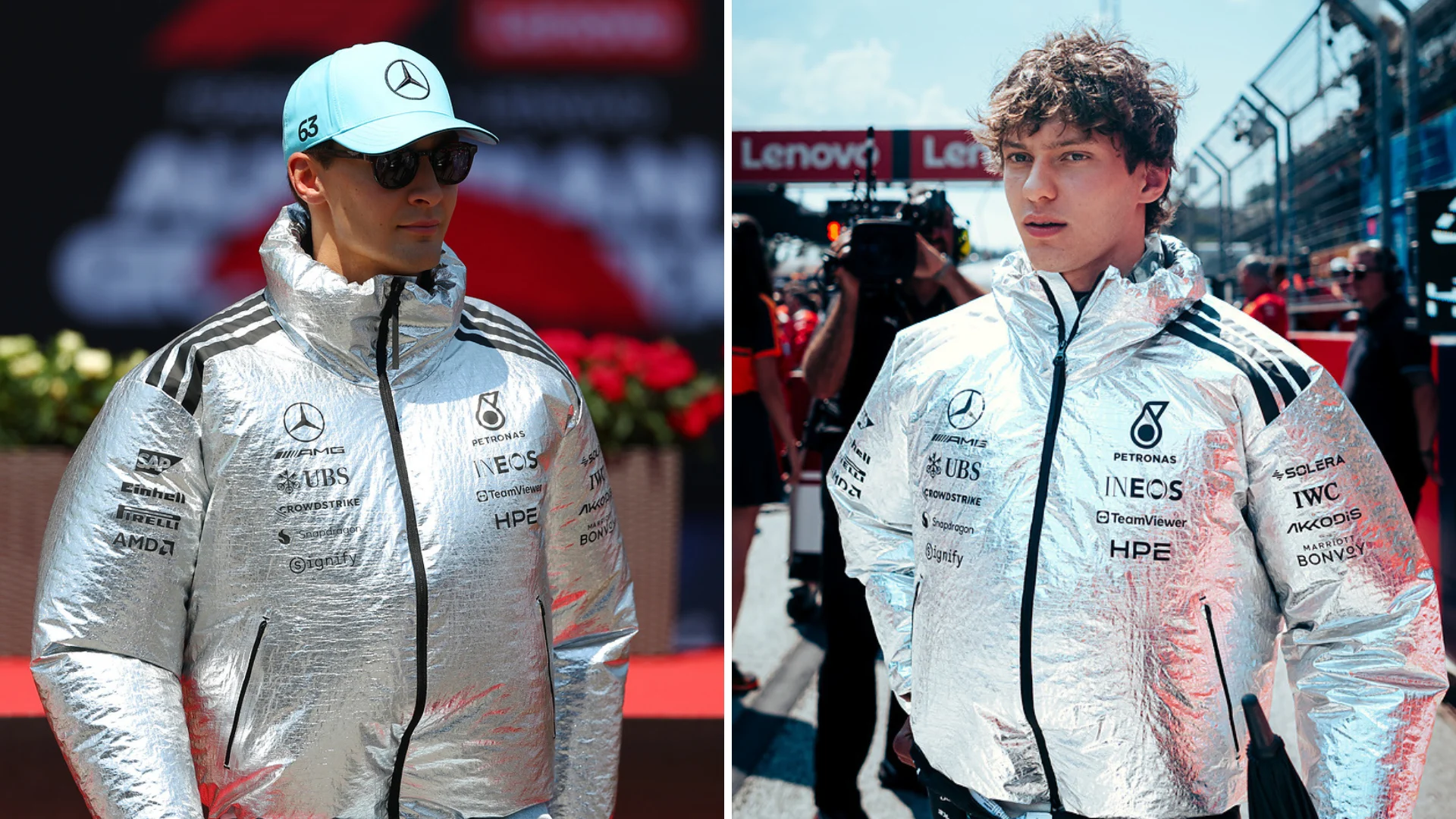
Shop Now: Silver Jacket

Inspired by the original, the team Silver Jacket is designed for fans of motorsport. Blending iconic team branding with an oversized silhouette, showcase your passion in style.
OFFICIAL TEAM STORE
Share