
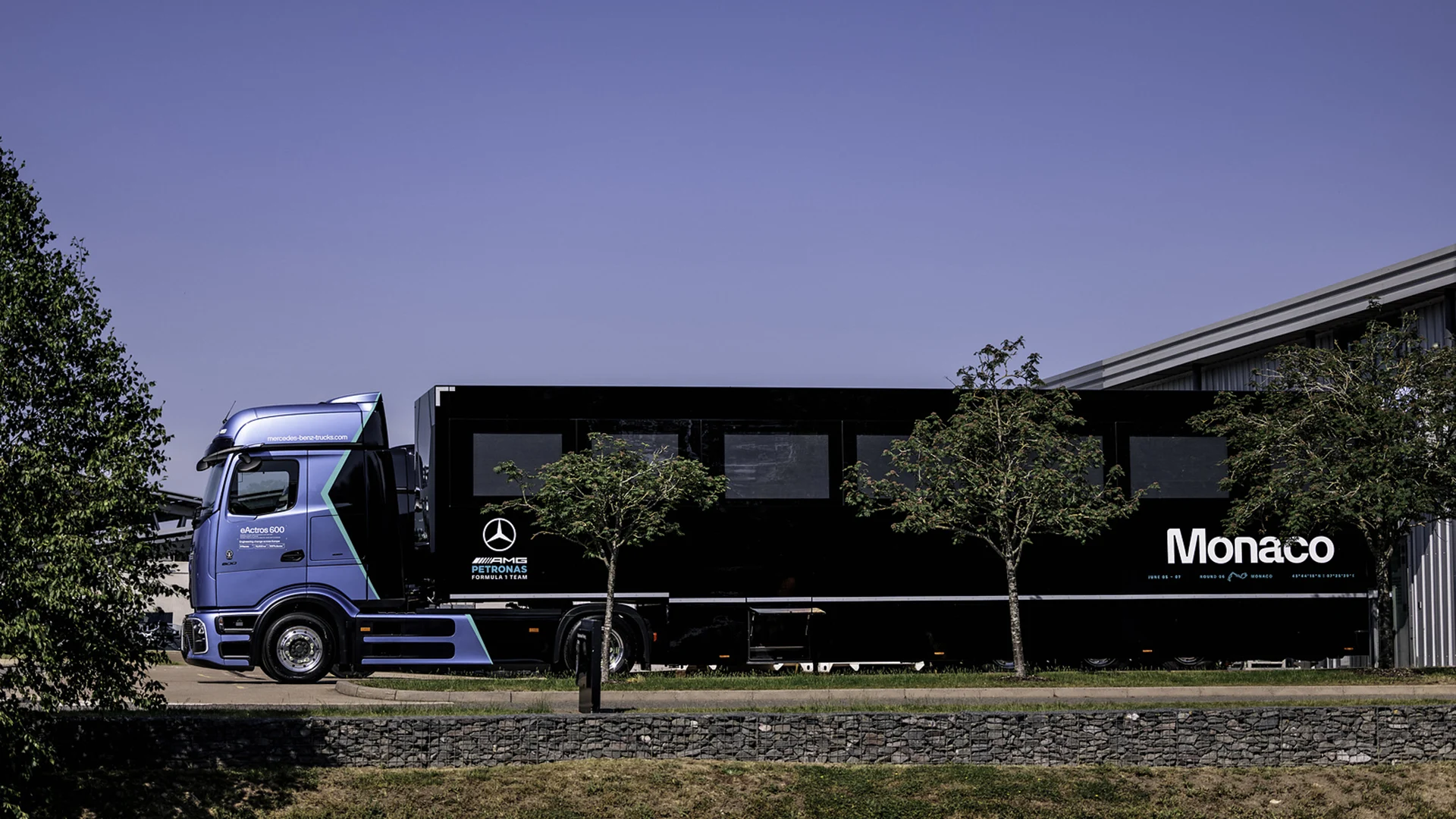
It's a familiar sight to see bio-fuelled transporters or the electric Mercedes-Benz Trucks eActros 600 roll from Lauda Drive towards the race tracks of Europe. Over seventy years ago the scene was similar, but the old Mercedes-Benz L 3500 trucks left Stuttgart at a rather more sedate pace. So in 1954 the Mercedes-Benz racing team decided that something must be done.
The History of the Iconic Blue Wonder
1 July 2026
10 Min Read
COLIN JOHNSTON|EXTERNAL CONTRIBUTOR
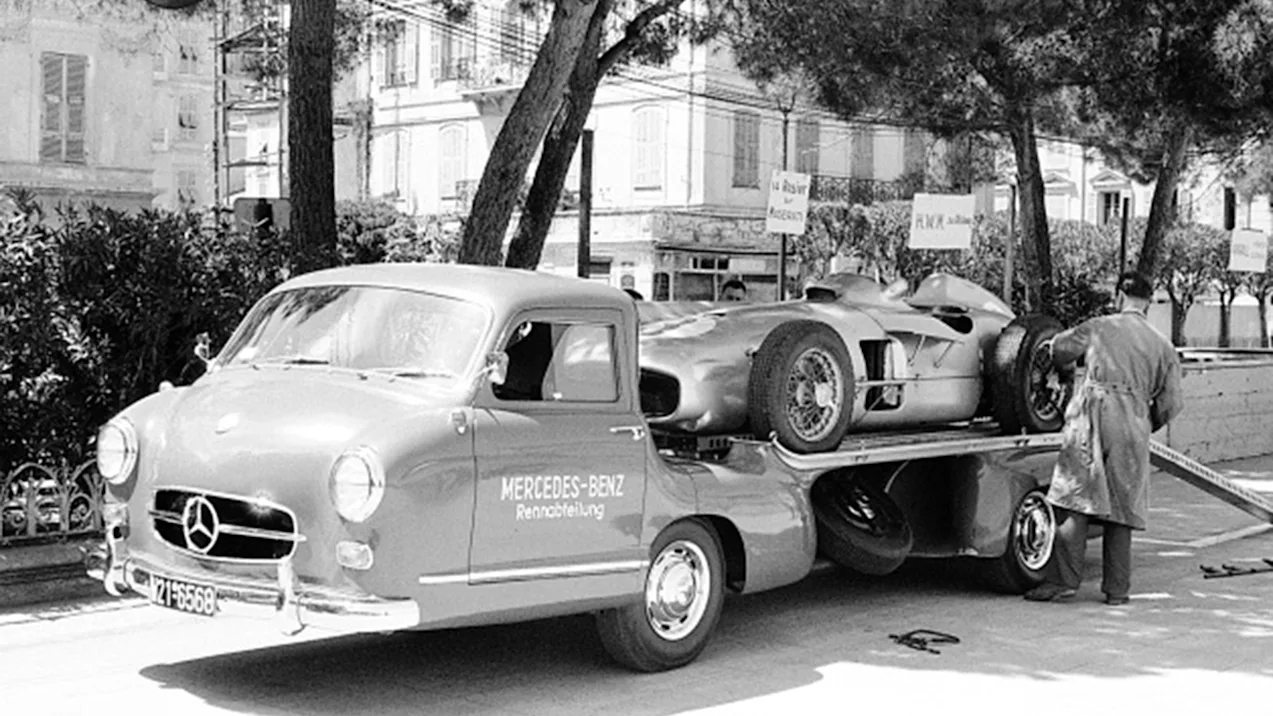
“Das Blaue Wunder” – The Blue Wonder is Born
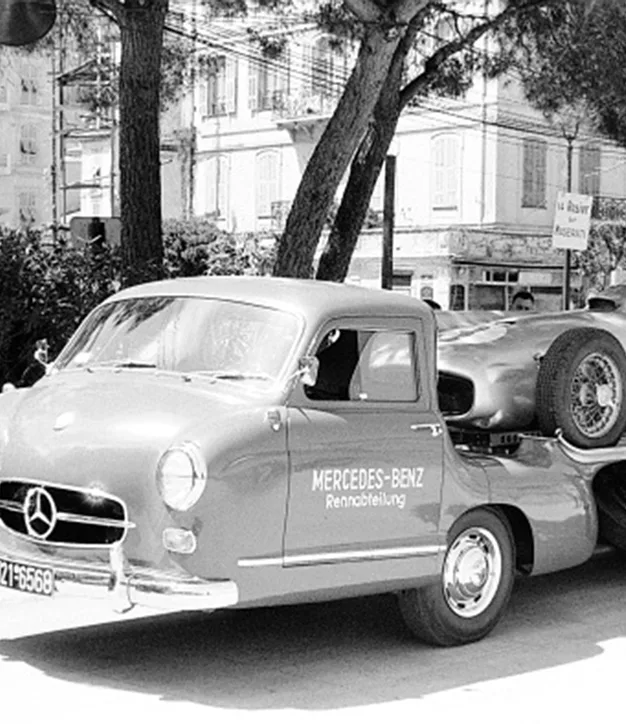
Their solution was to create one of the most distinctive and iconic commercial vehicles to ever hit the road. Officially it was the Schnellrenntransporter, 'Fast Race Transporter'. It entered legend as "Das Blaue Wunder"... The Blue Wonder
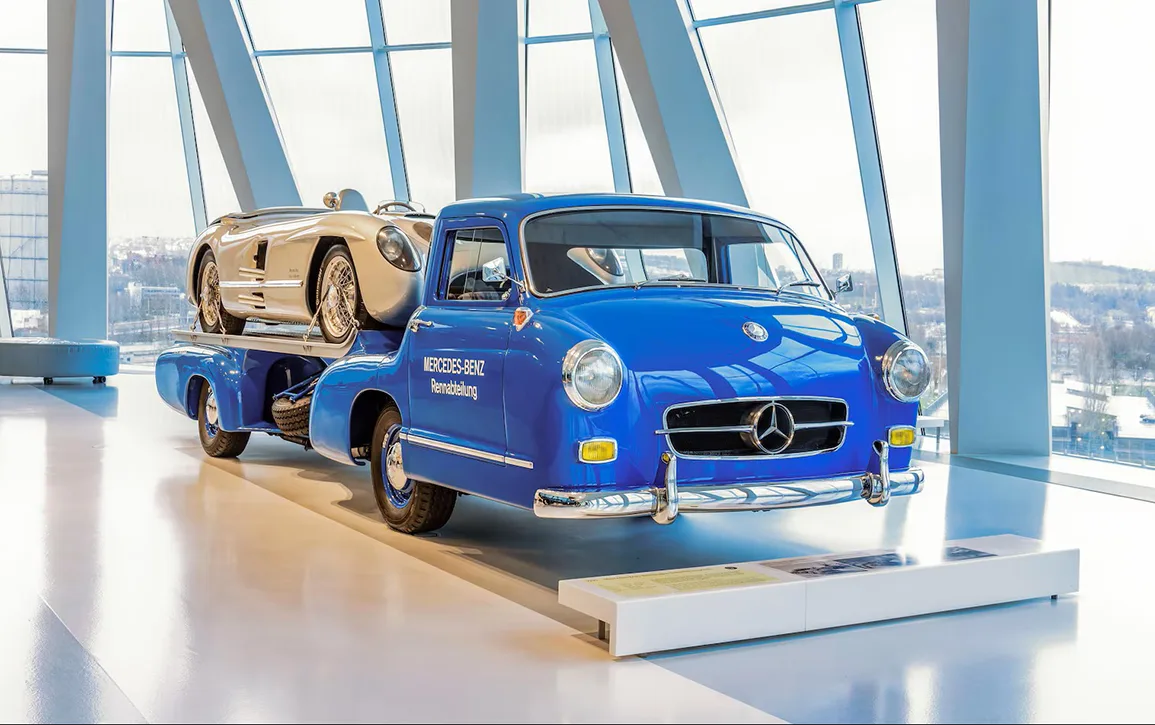
As you follow the spiral path down through the Mercedes-Benz Museum in Stuttgart you soon arrive at the commercial vehicles gallery. There, amongst the trucks and vans of yesteryear, you will unexpectedly encounter a Silver Arrow racer.
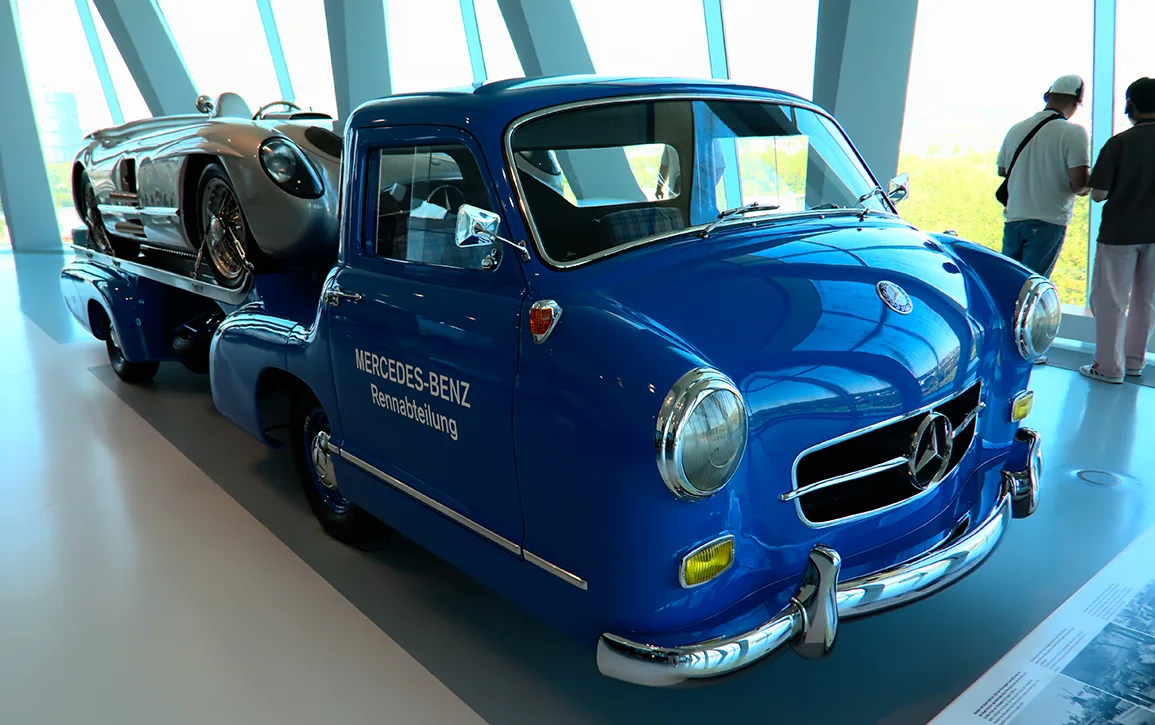
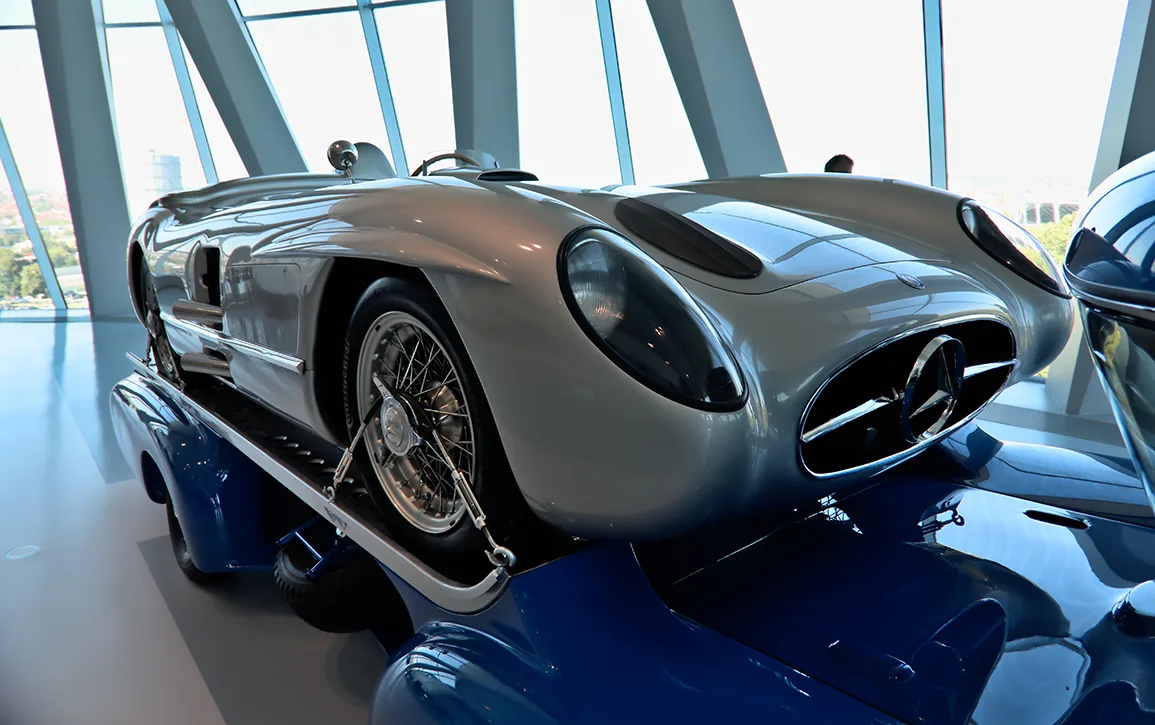
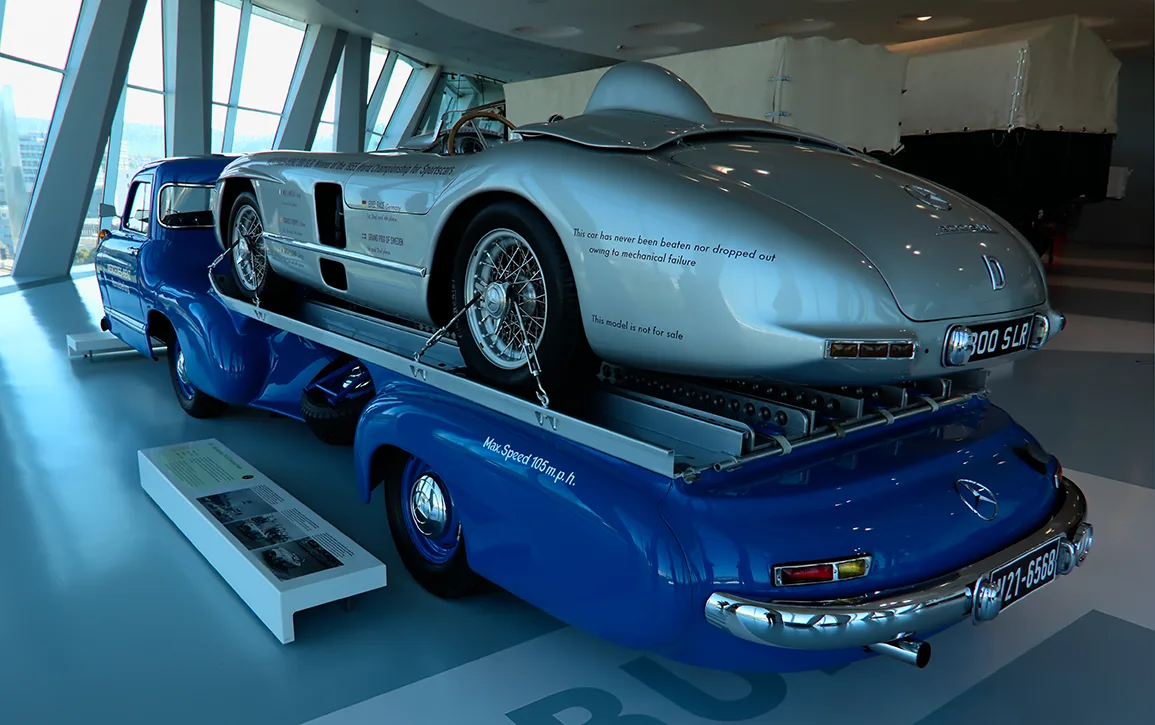
The first 300 SLR sports car of 1954, resplendent on the load deck of a striking, sculptural, forward-control vehicle – The Blue Wonder. This deep blue, retro-futurist car transporter is not only stunning in appearance; it's genius in detail, and formidable in power. Unique – like nothing seen before – yet, curiously, you are looking at the third Blue Wonder built.
Inspired by Decades of Racing Ingenuity
The idea of a high-speed racing car transporter was not a new one. Mercedes team manager Alfred Neubauer was revisiting a concept he and Ferdinand Porsche had explored over thirty years prior. Together at Austro-Daimler in 1922 and in Stuttgart during 1924 they had adapted passenger vehicles into transporters. The most noted of these was a modified Mercedes 24/100/140, which carried Porsche's wicked 8 cylinder Mercedes in an ungainly fashion to Monza in 1924.
Neubauer knew how useful such a machine could be – having the potential to rush a racing car to & from base during a race weekend. Having dashed through the night from Reims to Stuttgart and back, ahead of the '54 French Grand Prix, legendary engineer Rudolf Uhlenhaut could see the benefits too... he set his team to work.
Now, as in the 1920s, the technical elements would be borrowed from Mercedes passenger cars. Unlike those early attempts however, these elements would be transformed into something beautiful and formidable
300 SL Power Beneath the Deck
The basis for The Blue Wonder was a tubular chassis frame derived from the 300 S road car. This was lengthened to support the rear vehicle deck and a drivers' cab, dramatically placed forward of the front axle. Behind the driver too was the power train – the 220bhp 3-litre, fuel-injected straight-six from the 300 SL 'Gullwing'. Each wheel was independently suspended, utilising torsion bars and a swing axle at the rear, again echoing the 300 SL.
Drum brakes also came from the 'Gullwing', supplemented with a disc-brake on the transmission and an ingenious 'exhaust brake'. This was activated by a lever next to the gear stick, and simultaneously shut-off the fuel supply to the injectors while partially closing the exhaust. The resulting powerful engine-braking proving effective, and no problem to the robust Mercedes motor.
Inside the cab the drivers were provided with seats, steering wheel and instruments based on the design and best practice of the racing cars. The car being transported would be secured on a rear bed that included integral loading ramps, in lightweight aluminium, facilitating quick deployment by the mechanics. Finally, this marvel of technology and detail was wrapped in a sleek, air-cheating body that appeared to envelop the entire machine in a single stroke.
The result was a stunning machine, faster than many sports cars on the road. Fully loaded, with a 300 SLR or W 196 Formula One car on the back, The Blue Wonder could cruise all day at 100 mph, with a top speed of 105. Incredible!
A Racing Essential Across Europe
All through 1955 – from Dundrod to Monza, Oslo to Palermo – The Blue Wonder amazed spectators and intimidated the opposition. A technical design marvel that proved its worth time and again.
At the sports car championship showdown at the Targa Florio it became a vital workshop tool. Substituting for a lift, the loading ramps were elevated on oil drums, to facilitate servicing 300 SLRs under the Sicilian sun. But perhaps it's greatest moment of service came at the 1955 Italian Grand Prix.
As the team struggled with setup issues during practice at Monza, The Blue Wonder was dispatched to Stuttgart. There, a new W 196 streamliner had been built at great haste for Stirling Moss.
It must have been an astonishing sight. This futuristic machine racing through the night – on the back, a new Mercedes streamliner glistening in the moonlight. Arriving in the paddock at lunchtime, the precious cargo was unloaded in time for Stirling to qualify for the Italian Grand Prix. The Blue Wonder a vital part of the story of this incredible racing car, which recently became the most valuable Formula One car ever to be sold at auction.
The End of an Era
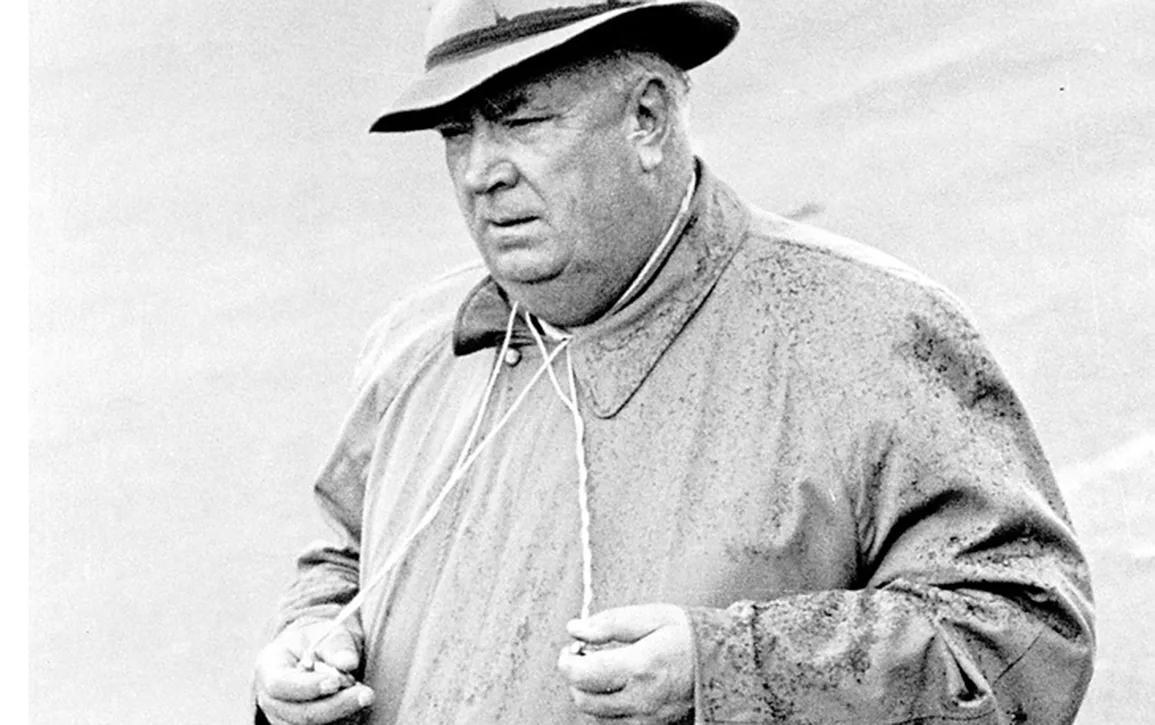
Following the Mercedes withdrawal from racing The Blue Wonder was without purpose. Together with a 300 SLR – as it is displayed in the museum today – it visited Detroit in 1956, but it was later left to deteriorate next to the test track in Stuttgart. Engineer Uhlenhaut would later regret the neglect, but by then this remarkable machine had been scrapped, with some other treasures from this period.
Time passed, successive generations grew to learn of the legend of the Silver Arrows, and the question was often asked – where and when can we see The Blue Wonder? Acknowledging the past error and the heritage lost, Mercedes-Benz decided to right the wrong.
In 1993 work began to recreate The Blue Wonder – a close collaboration between Mercedes-Benz Classic Centre and MIKA GmbH, a specialist restoration company in Mölln. Original parts such as the drivetrain were made available from the collection in Stuttgart, but how to recreate the bespoke design and technical elements?
It quickly became apparent that there were no plans for the Blue Wonder. It would appear that it was originally created by the talent, ingenuity and eye of the racing department. The lack of paperwork suggests that it may even have been an 'under the radar' project... until it hit the road!
6,000 Hours of Craftsmanship
And so the experts at MIKA and Mercedes-Benz had to rely on photographs from the Stuttgart archive to painstakingly reconstruct the structure, technical heart and fine detail of this unique machine. Trial and error meant that time and again tasks had to be restarted – as solutions failed to meet the standards set by Uhlenhaut's remarkable team of engineers.
After over 6000 hours of work the labour of love was complete. The Blue Wonder was reborn, and revealed in all its glory at the Goodwood Festival of Speed in 2001. Its unveiling and appearance as stunning and awe-inspiring as decades before – fascinating a new generation, touching the hearts of those who witnessed the glory of 1955.
Work on the Blue Wonder recreation coincided with planning for the new amazing Mercedes-Benz Museum, and it was apparent that such a historic and striking machine could not be excluded from the permanent exhibition. And so a second replica was created – the machine that stops visitors in their tracks in the commercial vehicle gallery.
Two new Blue Wonders, almost identical to the remarkable original. Almost? The difference? For the transmission brake the new editions utilise the brake discs from the 1989 SL model. An irresistible, subtle change to improve performance – the Mercedes way... I believe Rudi Uhlenhaut would have approved
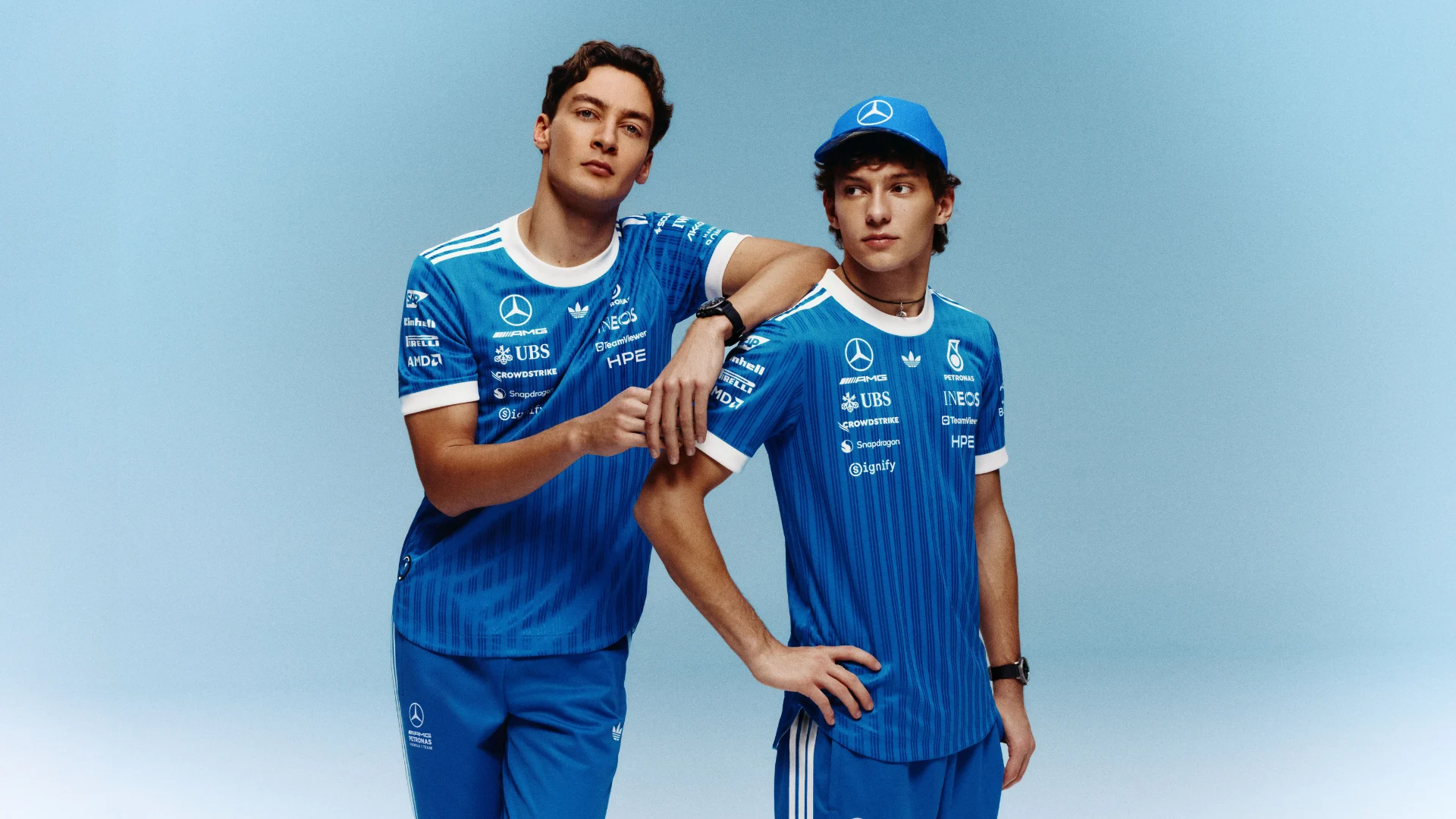
SHOP NOW
Shop: Blue Wonder Collection
Inspired by the 1955 high-speed car transporter, the collection celebrates a landmark piece of team history before the British Grand Prix at Silverstone.