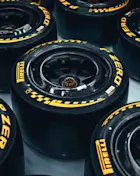

The Canadian Grand Prix has always been one of Formula 1’s most volatile weekends, historically affected by rain, its sharp braking zones tricky to master in slippery conditions.
This year, the GP moves from June to May as part of Formula 1’s sustainability-focused calendar reshuffle; Montreal in May is significantly cooler than in June, increasing the likelihood of lower track temperatures.
Rain in the area rarely behaves consistently: one section of the circuit can be soaked while another remains nearly dry, creating enormous pressure on tyre strategy and set-up decisions.
As recently as 2024, heavy rain before the race left the track soaked, forcing drivers to begin on Intermediate tyres. The race highlighted one of Montreal’s biggest challenges: the weather can change corner by corner. Parts of the track remained damp long after other sections dried out, especially around the final chicane and the famous Wall of Champions.
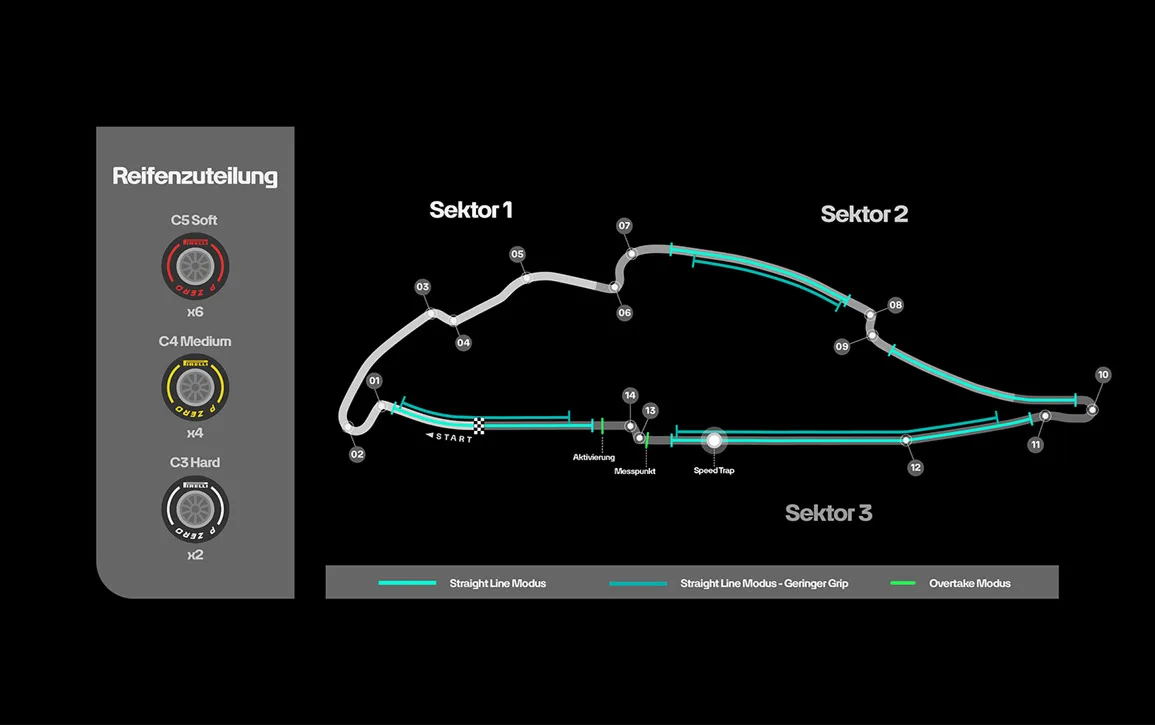
Should the rain arrive during Sunday’s Grand Prix, then it could be the first time that the new regulations have raced with ‘low grip mode’, which restricts active aerodynamics to stabilise cars and allow drivers to safely navigate a slicker track surface.