

Skip to content

Schedule

Track timeMy time
Free Practice 1
Free Practice 2
Free Practice 3
Qualifying
Race
Free Practice 1
Track time:
My time:


Free Practice 2
Track time:
My time:


Free Practice 3
Track time:
My time:


Qualifying
Track time:
My time:


Race
Track time:
My time:


The Circuit

Everything You Need to Know About the 2026 Bahrain Grand Prix in Malaysia

Round 16 of the 2026 F1 World Championships takes place at the Sepang International Circuit in Malaysia.

Nine years after F1 last raced in Malaysia, the Sepang International Circuit will return to the calendar in 2026, slotting in between the Azerbaijan and Singapore Grands Prix.

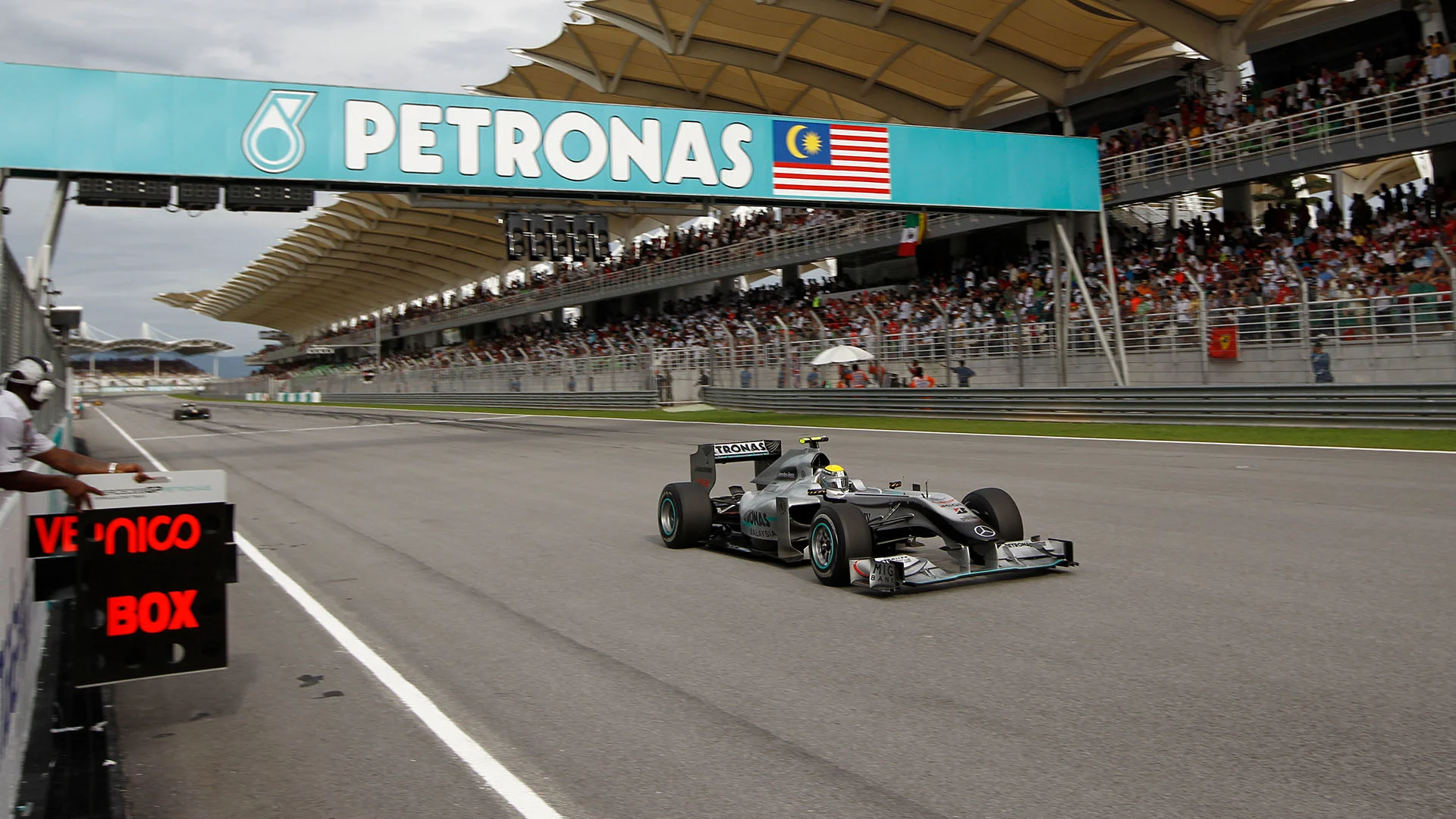
F1’s latest trip to Sepang, a home race for our Title and Technical Partner, PETRONAS, will be the Formula 1 Gulf Air Bahrain Grand Prix in Malaysia.

The 5.5km circuit hosted the first of 19 consecutive Grands Prix in 1999, and the layout proved popular with both drivers and spectators.

The blend of high-speed corners and hairpins made for a technical and demanding lap, and dramatic changes in conditions made race day in Malaysia unpredictable and unmissable viewing.

  • First GP
    1999
  • Circuit Length
    5.543km
  • Race Distance
    315.951km
  • Laps
    57

Return to Malaysia

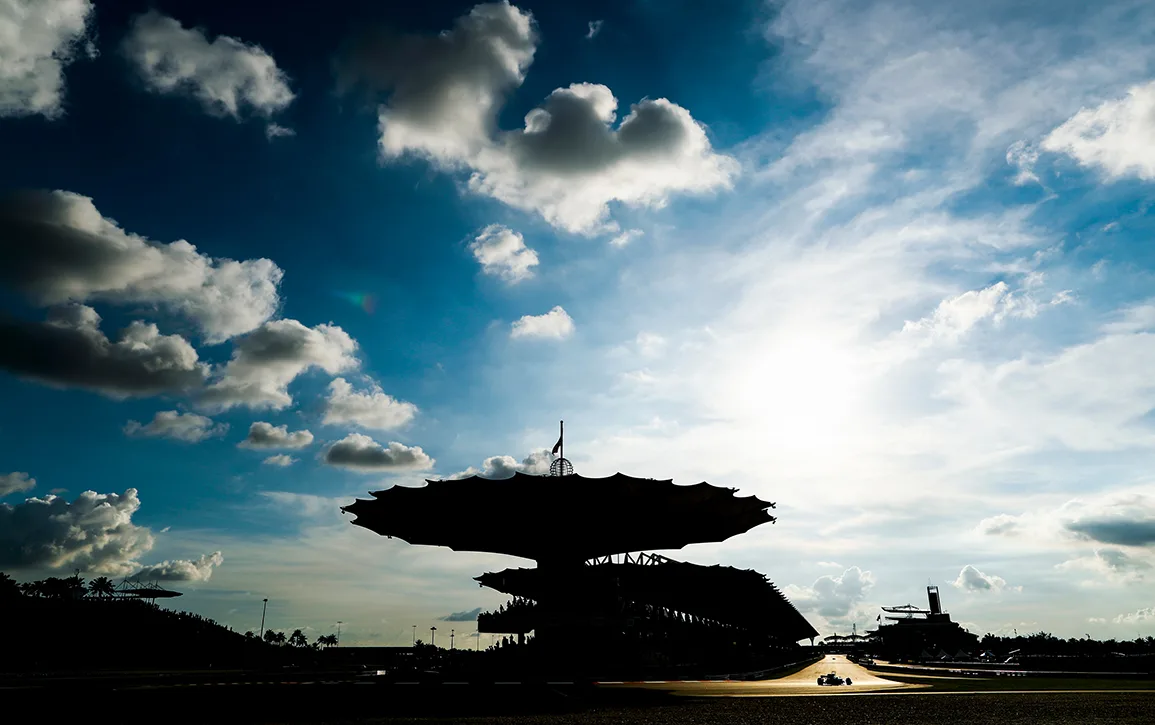
F1 made its debut at the Sepang International Circuit in 1999. Designed by the German circuit architect Hermann Tilke, the state-of-the-art circuit was intended to set new standards in terms of track design and the surrounding facilities, including the pits, paddock, press centre and spectator stands.

Hardly any other circuit looks so symmetrical from above – yet hardly any other offers such a variety of corners. The Sepang International Circuit presents a new challenge at practically every bend.

Despite the two long straights, teams opt for a set-up with plenty of downforce, which seems sensible given the ever-present possibility of rain.

Tropical Malaysia, with its hot and humid climate, is one of the least favourable environments imaginable for competitive sport. During the race, the Grand Prix drivers lose around 1.5 litres of fluid – more than they can drink during the race itself.

Consequently, the Grand Prix is regarded as a real test of endurance for both drivers and their cars: the race is notorious for the hot and humid weather that usually prevails. Many drivers prepare by following special fitness programmes in tropical climates. Staying well hydrated is considered an absolute priority throughout the entire weekend.

The circuit itself is designed to be medium-speed and flowing. The two long straights before and after the main grandstand require powerful engines. Situated near Kuala Lumpur Airport, the circuit features a mix of tight corners at the start of the lap and rapid changes of direction towards the end.
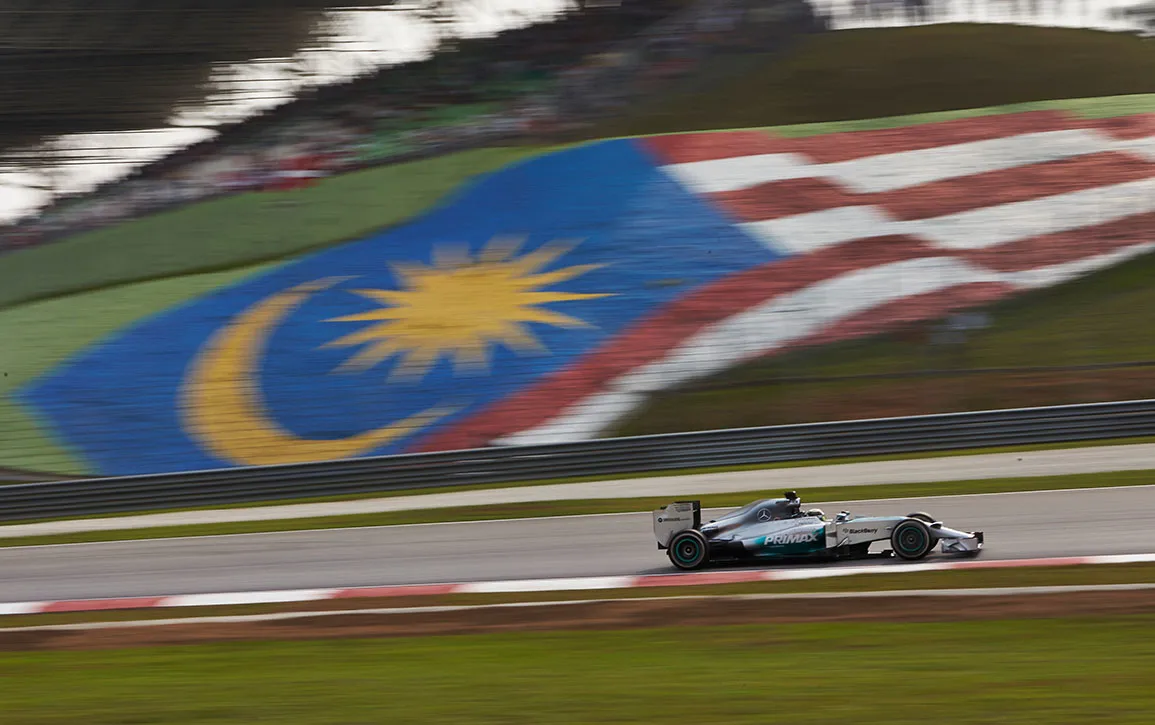
Mercedes at the Malaysian Grand Prix

Of the eight Malaysian Grands Prix that the team has competed in, we have secured one victory: Lewis Hamilton turned his pole position into a win in 2014.

He also secured all four of the team’s pole positions at this circuit, achieving this feat four years in a row from 2014 to 2017.

Sepang is also notable as the venue for our first podium finish following our return to Formula 1 in 2010, when Nico Rosberg finished third.

In total, Silver Arrow drivers have stood on the podium eight times in Malaysia. Four of those podium finishes were achieved by Nico Rosberg, while Lewis Hamilton claimed the other four.

To date, Mercedes-Benz Power has secured four victories in Malaysia: the first in 2003 with Kimi Räikkönen and the other two with Fernando Alonso in 2007 and Jenson Button with Brawn GP in 2009.

Power units from Brixworth have also secured six pole positions and 18 podium finishes, which is more than any other engine manufacturer. Ferrari has achieved 14 podium finishes at Sepang, while Renault has achieved 11.